When selecting decorative architectural details for an interior, the material used can be just as important as the design itself.
Cornices, ceiling roses, wall mouldings and other decorative features need to look exceptional once installed, but they also need to be manufactured accurately, installed correctly and finished to a high standard.
For centuries, plaster has been used to create some of the finest architectural interiors. Today, fibrous plaster continues to offer an exceptional combination of craftsmanship, detail and versatility.
At Pristine Plaster Mouldings, fibrous plaster is central to what we do. It allows us to create detailed architectural mouldings while maintaining the traditional character and quality associated with plaster craftsmanship.
What Is Fibrous Plaster?
Fibrous plaster is a form of plasterwork reinforced with materials such as hessian or other suitable fibres.
Unlike traditional wet plasterwork, which is applied directly to a surface, fibrous plaster mouldings can be manufactured separately before being transported to site for installation.
This makes it particularly well suited to decorative architectural features such as:
- Cornices
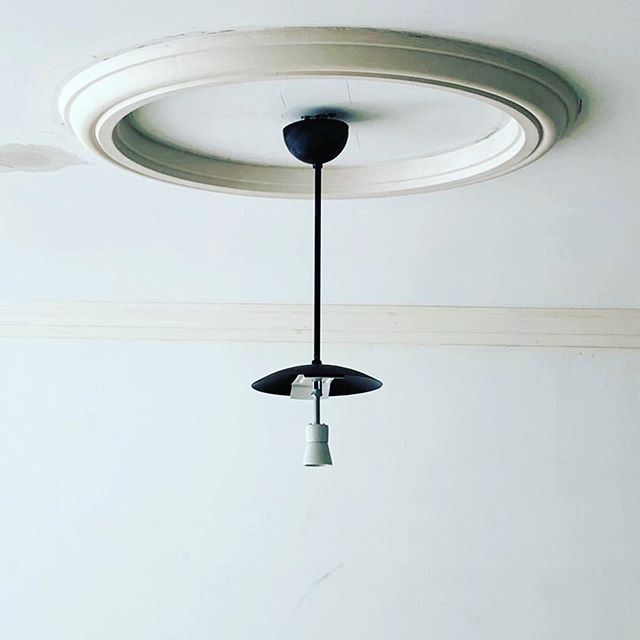
- Ceiling roses
- Wall mouldings
- Columns
- Decorative panels
- Architraves
- Bespoke architectural features
The mouldings can be produced in controlled conditions before being carefully installed and finished on site.
Why Is Fibrous Plaster So Well Suited to Decorative Mouldings?
One of the greatest advantages of fibrous plaster is its ability to reproduce detail.
Intricate profiles, classical ornamentation and decorative patterns can be manufactured with a high degree of precision.
This makes fibrous plaster particularly suitable for projects where architectural character and detail are important.
From simple contemporary cornices through to highly ornate Victorian and Edwardian designs, the material can accommodate an extensive range of styles.
A Material With Architectural Heritage
Plaster has played an important role in British architecture for generations.
Many historic homes, period properties and prestigious buildings feature elaborate plasterwork, often incorporating highly detailed cornices, ceiling roses, wall panels and ornamental features.
Fibrous plaster continues this tradition while offering a practical method of manufacturing and installing decorative architectural elements within modern projects.
It allows traditional designs to be reproduced while also providing the flexibility required for contemporary architecture.
Precision Begins in the Workshop
Quality fibrous plasterwork starts long before it reaches the building site.
The manufacturing process requires care and precision to ensure that profiles are consistent and accurately formed.
For a project involving multiple lengths of cornice, maintaining consistency is particularly important.
Every section needs to work together once installed.
A small variation between individual pieces can become noticeable when a profile runs continuously around a room.
Controlled manufacturing therefore plays an important role in achieving a high-quality finished installation.
The Importance of Installation
Even the finest manufactured moulding can be let down by poor installation.
Installation requires careful measurement, accurate cutting and precise positioning.
Corners and junctions need particular attention, while individual sections must be joined and finished carefully.
The objective is for the completed installation to appear continuous, with joints becoming virtually invisible once finished and decorated.
This is where experience makes a significant difference.
Understanding how plaster behaves, how different profiles meet and how the moulding interacts with the building itself are all important aspects of achieving a professional result.
Suitable for Traditional and Contemporary Interiors
One of the misconceptions about plaster mouldings is that they are only suitable for period properties.
In reality, fibrous plaster can work exceptionally well within contemporary interiors.
A simple, clean-lined cornice can provide subtle architectural definition within a modern property.
More decorative profiles can also be used deliberately to create contrast, combining traditional craftsmanship with contemporary furniture, lighting and finishes.
This balance between old and new can create an interior that feels both timeless and individual.
Ideal for Bespoke Architectural Features
Fibrous plaster is particularly useful where standard products aren’t suitable.
Bespoke mouldings can be produced for projects requiring specific dimensions, decorative details or architectural features.
This may include:
- Reproducing an existing historic moulding
- Matching an original ceiling rose
- Creating a unique cornice profile
- Producing architectural columns
- Replicating damaged decorative plasterwork
- Creating mouldings to suit unusual room dimensions
For restoration projects, this ability to reproduce existing architectural details can be invaluable.
A Strong Choice for Restoration
Period properties often contain decorative plasterwork that has been damaged, altered or removed over time.
Replacing these features with generic modern alternatives can compromise the architectural character of the building.
Fibrous plaster provides an opportunity to reproduce traditional details with a high level of accuracy.
Where an original profile is available, it may be possible to create a mould or pattern from the existing feature and manufacture a replacement that closely matches the original.
This approach allows restoration work to respect the character of the property while providing a practical solution for replacing damaged or missing elements.
Concealed Lighting and Modern Design
Fibrous plaster can also accommodate modern architectural requirements.
Lighting trough cornices, for example, can be designed to conceal LED lighting and create an indirect wash of light across the ceiling or wall.
This allows traditional plasterwork to become part of a modern lighting scheme.
The result can be particularly effective in contemporary luxury interiors, where the objective is often to create atmosphere without exposing the technical elements responsible for it.
Plaster Compared With Modern Alternatives
There are now many different materials available for decorative mouldings, including MDF, polyurethane, polystyrene and other manufactured products.
Each material has its own characteristics and applications.
However, for projects where traditional architectural appearance, detailed craftsmanship and a premium finish are important, fibrous plaster offers significant advantages.
The material has a natural association with traditional architectural interiors and allows detailed profiles to be produced and finished as part of the building itself.
For high-end residential and architectural projects, that authenticity can be an important consideration.
Built Around the Architecture
Perhaps the greatest advantage of fibrous plaster is its ability to become part of the architecture.
Rather than appearing as a separate decorative product, a well-designed and expertly installed plaster moulding can feel as though it was always intended to be part of the building.
This is particularly important within luxury interiors.
The finest architectural details are often the ones that don’t immediately draw attention to themselves. Instead, they contribute to the balance, proportion and atmosphere of the room as a whole.
The Pristine Plaster Mouldings Approach
At Pristine Plaster Mouldings, we combine traditional plaster moulding techniques with the requirements of modern architectural projects.
From standard cornices and ceiling roses to bespoke architectural features, our work is focused on precision, craftsmanship and attention to detail.
With decades of experience within the plaster moulding industry, we understand that quality isn’t simply about how a moulding looks in isolation.
It is about how it performs as part of the finished interior.
From the first measurement through to manufacturing, installation and finishing, every stage contributes to the final result.
A Material That Continues to Stand the Test of Time
Interior design trends will continue to evolve, but the appeal of quality plasterwork remains.
Fibrous plaster provides the opportunity to combine traditional craftsmanship with modern architectural design, creating features that can remain an important part of a property for generations.
Whether you’re restoring a period home, developing a contemporary residence or creating a completely bespoke interior, fibrous plaster offers the versatility and character required to create something exceptional.
Explore Fibrous Plaster Mouldings
Discover the Pristine Plaster Mouldings collection of cornices, ceiling roses and architectural plaster mouldings, or contact our team to discuss your requirements.
Pristine Plaster Mouldings
Traditional craftsmanship. Architectural detail. Exceptional interiors.