Choosing the right cornice can have a significant impact on the finished appearance of an interior.
A well-proportioned cornice can enhance the architecture of a room, create a refined transition between the walls and ceiling, and add character without overpowering the space.
With such a wide variety of profiles, styles and sizes available, however, choosing the right one can sometimes feel difficult.
At Pristine Plaster Mouldings, we believe the best cornice is not necessarily the most elaborate. It is the one that works naturally with the architecture, proportions and overall design of the room.
Consider the Style of the Property
The architecture of the property is often the best place to begin.
Traditional Georgian, Victorian and Edwardian properties can lend themselves particularly well to period-inspired plaster cornices, with profiles ranging from simple classical designs through to highly ornate decorative mouldings.
For a contemporary property, a cleaner and more restrained profile may be more appropriate.
That doesn’t mean traditional cornices cannot be used in modern interiors. In fact, combining classical plasterwork with contemporary architecture can create a striking contrast.
The important thing is that the profile feels intentional and proportionate to the space.
Ceiling Height Matters
One of the most important considerations when selecting a cornice is the height of the ceiling.
A profile that looks beautifully proportioned in a large room with high ceilings may feel too dominant in a smaller room.
Equally, a very small profile can become lost within a large space.
As a general principle, the greater the ceiling height and scale of the room, the more substantial the cornice can be.
However, there is no single formula that works for every property. The proportions of the room, the architectural style and the desired aesthetic all need to be considered together.
Think About the Size of the Room
Room size is just as important as ceiling height.
Large reception rooms, entrance halls and open-plan spaces can often accommodate substantial decorative cornices, particularly where there are other architectural features such as columns, ceiling roses or decorative wall mouldings.
Smaller rooms may benefit from a more refined profile that adds definition without making the ceiling feel lower.
The objective should always be balance.
A successful cornice should feel as though it belongs naturally within the room.
Simple or Ornate?
Another important decision is the level of detail.
A simple cornice can provide a subtle architectural finish while allowing other elements of the interior to take centre stage.
More ornate profiles can create a stronger sense of grandeur and are particularly effective in formal reception rooms, dining rooms, entrance halls and period properties.
Neither approach is inherently better.
It comes down to the character you want to create.
For a restrained luxury interior, a beautifully proportioned plain or lightly detailed cornice may be the perfect choice.
For a more traditional or dramatic interior, a highly decorative profile can become an important architectural feature in its own right.
Consider the Overall Interior
Your cornice should work alongside the other features within the room.
Consider the relationship between the cornice and:
- Ceiling roses
- Wall mouldings
- Dado rails
- Panel mouldings
- Skirting
- Architraves
- Columns
- Lighting
- Furniture and finishes
Using complementary architectural details can create a much more cohesive result.
For example, an ornate ceiling rose paired with an appropriately detailed cornice can create a strong traditional aesthetic, while a simple cornice and understated wall moulding can work beautifully within a contemporary interior.
Lighting Can Influence Your Choice
Lighting is increasingly becoming an important consideration when selecting architectural plasterwork.
Lighting trough cornices and specially designed profiles can incorporate concealed illumination, allowing light to wash across the ceiling or walls.
This can create a sophisticated atmosphere while keeping the light source itself discreet.
For contemporary interiors, this can be particularly effective, providing architectural detail while also contributing to the overall lighting design.
Don’t Forget the Ceiling Rose
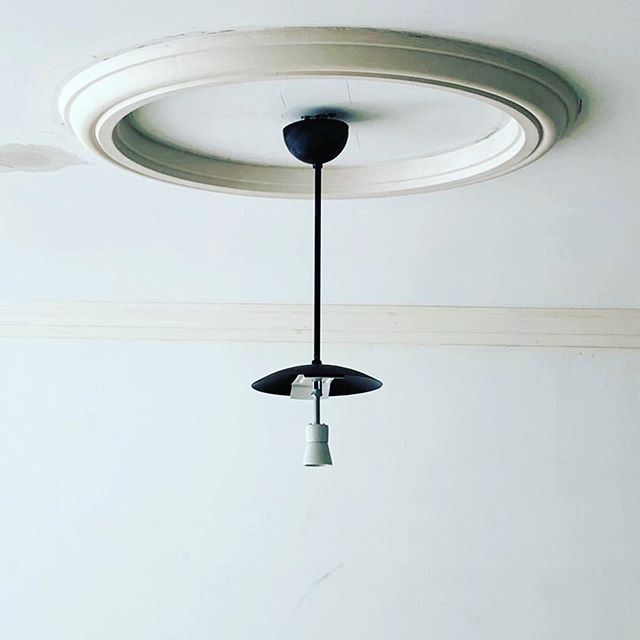
If you are installing a ceiling rose, it is worth considering how it will relate to the cornice.
The two don’t necessarily need to match exactly, but they should feel visually compatible.
A highly ornate ceiling rose paired with an extremely minimal cornice can sometimes create an imbalance, while using overly elaborate designs throughout the room can make the interior feel excessively decorative.
The best results usually come from creating a relationship between the different architectural elements.
Think About the Long-Term Result
A cornice is not something that should be selected purely because of a current interior trend.
Quality plaster mouldings can remain in place for decades, so it is worth considering how the design will look over time.
Classic architectural profiles have the advantage of remaining relevant across changing interior styles.
A well-chosen cornice should enhance the property today while still looking appropriate years from now.
Why Fibrous Plaster?
Fibrous plaster is particularly well suited to architectural mouldings because it allows detailed profiles to be manufactured with precision.
Individual sections can be produced and installed on site, with joints carefully finished to create a seamless appearance.
This makes fibrous plaster an excellent choice for both traditional and contemporary architectural projects.
It also allows for bespoke work where a standard profile isn’t quite right for the requirements of the space.
When Bespoke Is the Right Choice
Not every project can be completed using an off-the-shelf profile.
Bespoke plasterwork can be particularly useful when:
- Matching an existing historic cornice
- Reproducing a damaged or missing profile
- Working within an unusual room
- Creating a unique architectural feature
- Matching mouldings throughout a large property
- Working on restoration or heritage projects
Bespoke work provides the opportunity to create something specifically suited to the property rather than compromising with a profile that is simply close to the desired result.
Getting the Proportions Right
Ultimately, choosing a cornice is about proportion.
The most impressive interiors aren’t necessarily those with the largest or most elaborate mouldings. They are the interiors where every architectural detail feels considered.
The cornice should work with the ceiling height.
The ceiling rose should work with the room.
The mouldings should work with the architecture.
And everything should work together as a whole.
Choosing Your Cornice with Pristine Plaster Mouldings
At Pristine Plaster Mouldings, we offer a wide range of decorative plaster cornices designed to complement a variety of architectural styles and interiors.
From understated profiles through to highly detailed traditional designs and contemporary lighting solutions, our range provides options for residential, architectural and commercial projects.
With decades of experience within the plaster moulding industry, we understand that selecting the right profile is about more than simply choosing a design from a catalogue.
It is about understanding the space and creating a finished result that feels completely at home within it.
If you’re unsure which cornice would be right for your project, our team can help you select a profile based on the architecture, proportions and overall style of your interior.
Pristine Plaster Mouldings
Traditional craftsmanship. Architectural detail. Exceptional interiors.