There are few architectural details that can transform an interior quite like beautifully crafted plaster mouldings.
From elegant cornices and decorative ceiling roses to wall mouldings, columns and bespoke architectural details, plasterwork has been used for centuries to add character, proportion and distinction to some of the finest interiors.
Despite its traditional heritage, decorative plasterwork remains highly relevant within modern interior design. Whether used to restore the character of a period property or introduce architectural elegance to a contemporary residence, the right plaster mouldings can give a room a sense of quality that is difficult to achieve through decorative finishes alone.
At Pristine Plaster Mouldings, we believe that exceptional interiors are often defined by the details.
A Craft With Centuries of Heritage
Decorative plasterwork has long been associated with grand residences, historic properties and prestigious architectural interiors.
Traditional cornices, ceiling roses and ornamental mouldings were originally designed to enhance the architecture of a room, creating definition between walls and ceilings while introducing symmetry, proportion and decorative interest.
Many of these traditional designs continue to influence interiors today.
Victorian, Georgian and Edwardian profiles remain popular choices for period properties, while simpler contemporary profiles can provide a refined architectural finish within modern homes.
The appeal lies in the versatility of plasterwork. It can be subtle and understated or elaborate and highly decorative, depending entirely on the character of the space.
The Difference the Right Cornice Can Make
Cornices are one of the most effective ways to introduce architectural definition to an interior.
A carefully selected cornice creates a considered transition between the wall and ceiling, helping to establish the proportions and character of a room.
The choice of profile is important.
A smaller, more understated cornice may be perfectly suited to a contemporary room or property with lower ceilings, while a larger and more ornate profile can provide the scale and presence required within a grand reception room or high-ceilinged period property.
The objective isn’t simply to choose the most elaborate design.
It is about selecting a profile that belongs within the architecture of the room.
Ceiling Roses: Creating a Focal Point
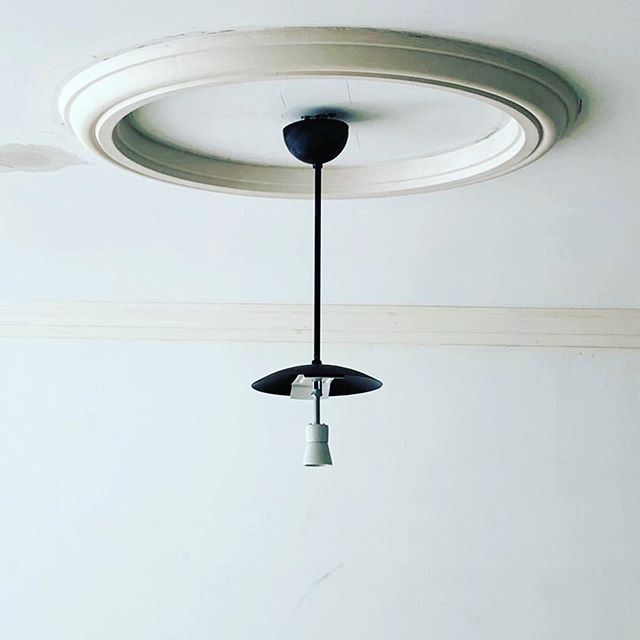
A decorative ceiling rose can provide an equally striking architectural feature.
Traditionally used to frame chandeliers and central light fittings, ceiling roses can range from simple and understated designs through to highly detailed ornamental pieces.
When correctly proportioned, a ceiling rose can draw the eye towards the centre of a room and create a natural focal point.
In larger spaces, an ornate ceiling rose can contribute significantly to the sense of grandeur. In more contemporary interiors, a simpler design can introduce just enough architectural detail without overwhelming the space.
The result should feel intentional rather than excessive.
Traditional Craftsmanship in Contemporary Interiors
Decorative plasterwork is not limited to traditional or period properties.
Increasingly, architects, interior designers and homeowners are incorporating traditional plaster mouldings into contemporary interiors.
This can create an interesting contrast between classical architectural detail and modern materials, furniture and lighting.
A beautifully detailed cornice can sit comfortably alongside a contemporary interior, while simple wall mouldings can add depth and structure to an otherwise minimal space.
Lighting can also be integrated into plasterwork through specially designed profiles, creating subtle concealed illumination that enhances the architecture without becoming the dominant feature.
This combination of traditional craftsmanship and contemporary design is one of the reasons plaster mouldings continue to remain relevant.
Why Craftsmanship Matters
The quality of a finished plaster installation depends on far more than the moulding itself.
Accurate manufacturing, careful preparation, precise installation and meticulous finishing all contribute to the final result.
Individual sections need to meet cleanly. Joints need to be carefully finished. Corners and transitions require precision. Once painted, the completed installation should appear seamless, with the individual sections becoming part of one continuous architectural feature.
This level of finish requires experience.
At Pristine Plaster Mouldings, our approach is centred around quality craftsmanship and attention to detail at every stage of the process.
With decades of experience within the plaster moulding industry, we understand that the smallest details can have a significant impact on the finished interior.
Fibrous Plaster: A Versatile Architectural Material
Fibrous plaster is particularly well suited to decorative architectural mouldings.
It allows detailed profiles and ornamental designs to be produced with precision, while individual mouldings can be manufactured in sections for practical installation on site.
Once installed and finished correctly, the joints between sections can be made virtually invisible, creating a continuous and highly refined appearance.
Fibrous plaster is also particularly valuable when working on restoration or reproduction projects, where existing architectural details need to be replicated or carefully matched.
Bespoke Plasterwork
While a comprehensive range of standard profiles can provide an excellent starting point, some projects require something more individual.
Bespoke plasterwork allows architectural details to be created specifically for a particular property or interior.
This may involve reproducing an existing historic moulding, adapting a profile to suit unusual dimensions or creating an entirely bespoke feature.
For high-end residential projects, period properties and architecturally significant interiors, bespoke plasterwork can provide the opportunity to create something genuinely unique.
Choosing the Right Plaster Mouldings
When selecting plaster mouldings for a project, several factors should be considered.
The architecture of the property
The age, style and character of the building can provide an important starting point when selecting a suitable profile.
The proportions of the room
Ceiling height, room size and architectural proportions should all be taken into consideration.
The interior design
Plasterwork should complement the wider interior rather than compete with furniture, lighting and other finishes.
The level of detail
A simple profile can create a subtle architectural finish, while a more ornate design can establish a stronger focal point.
The installation
Even the finest moulding will not achieve its full potential without accurate installation and careful finishing.
Designed to Last
Interior trends will inevitably change, but quality architectural detailing has a longevity that few decorative finishes can match.
A beautifully crafted cornice or ceiling rose can remain a defining feature of a room for decades, becoming part of the property’s character rather than simply following a passing trend.
That is perhaps the greatest appeal of decorative plaster mouldings.
They are not simply decorative additions.
They become part of the architecture.
The Pristine Plaster Mouldings Approach
At Pristine Plaster Mouldings, we combine traditional plaster moulding craftsmanship with the requirements of modern architectural and interior projects.
From elegant cornices and decorative ceiling roses to bespoke architectural plasterwork, we work with homeowners, architects, interior designers, contractors and developers to create finishes that complement the character of each individual project.
With decades of industry experience, our focus remains the same: quality, precision and exceptional attention to detail.
Because when it comes to creating an exceptional interior, it is often the details that make all the difference.
Pristine Plaster Mouldings
Traditional craftsmanship. Architectural detail. Exceptional interiors.